Hilltop Landscaping
Best Hardscaping Materials for Colorado's Climate and Soil Conditions
Concrete pavers, natural stone, and segmental retaining wall blocks handle Colorado’s conditions better than poured concrete, wood, or stamped surfaces. The reason comes down to two separate challenges that often get lumped together: freeze-thaw cycles that crack rigid materials, and expansive clay soils that shift and heave throughout the year.
A material can survive one of these challenges but fail at the other. Poured concrete handles freeze-thaw reasonably well but cracks when clay soil moves beneath it. Wood resists soil movement but rots and deteriorates in our wet-dry cycles. The materials that last longest in Colorado address both problems—they’re dense enough to resist moisture penetration AND flexible enough to move with the ground.
Understanding which problem you’re actually solving helps you choose materials that will still look good in ten years.
Get A Free Estimate
The Climate Problem: Freeze-Thaw and UV Exposure
Colorado’s Front Range can see 100+ freeze-thaw cycles per year. Water enters tiny pores in hardscape materials during the day, freezes overnight, expands, and breaks the material apart from within. This is called spalling, and it’s why cheap concrete and porous stone crumble within a few seasons.
Add intense UV radiation at altitude (stronger than most of the country), and materials also face fading and surface degradation. Dark-colored materials fade faster. Sealers break down quicker.
Materials that handle this well:
Concrete pavers manufactured to ASTM freeze-thaw standards absorb less than 5% of their weight in water. Their interlocking design also allows slight movement without cracking. Porcelain pavers are nearly impervious to water—nothing gets in to freeze.
Dense natural stone like granite, bluestone, and quality flagstone have low porosity naturally. Slate works well too. Avoid soft sandstones and limestones that absorb water readily.
Segmental concrete blocks for retaining walls perform well because they’re manufactured for density and allow some system flexibility through their stacking design.
Materials that struggle:
Poured concrete develops hairline cracks during curing. Water enters those cracks and freeze-thaw widens them every season. Stamped concrete has the same problem plus surface sealers that need constant reapplication.
Wood deteriorates quickly. Even pressure-treated lumber warps, cracks, and grays out within a few years. It’s fine for temporary garden borders, not permanent structures.
Soft natural stones like some sandstones and travertine need constant sealing. Miss a season and moisture gets in.
The Soil Problem: Expansive Clay
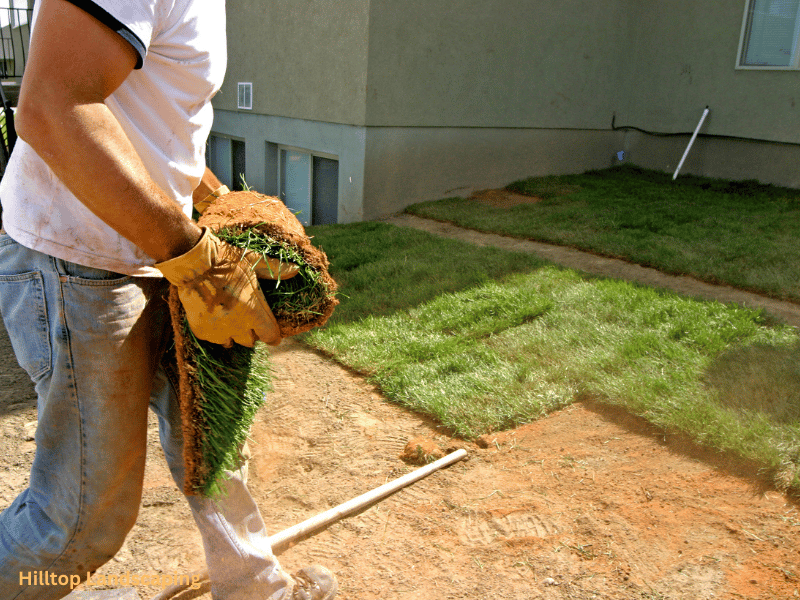
Much of the Denver metro area sits on expansive clay soil. This soil swells when wet and shrinks when dry—moving several inches per year in some areas. Brighton, Thornton, and Commerce City all have significant clay content.
This movement puts lateral and upward pressure on hardscape structures. Rigid installations crack. Structures without adequate base preparation shift and become uneven.
Materials and methods that handle this:
Interlocking pavers with sand joints can shift slightly and resettle without cracking. The system is flexible by design. Individual pavers can be lifted and relaid if movement is significant.
Segmental retaining walls with geogrid reinforcement tie back into stable soil and distribute pressure across a larger area. The blocks can also accommodate minor movement without structural failure.
Adequate gravel base (6-8 inches minimum for most projects) provides drainage and a stable platform that doesn’t expand and contract with moisture. This matters more than the surface material in many cases.
What fails:
Any rigid, monolithic surface—poured concrete, stamped concrete, mortared stone—will eventually crack on expansive clay. The larger the continuous slab, the more likely the failure.
Shallow installations without proper base preparation settle unevenly as soil moves beneath them.
Retaining walls without drainage allow water to saturate the soil behind them, increasing hydrostatic pressure and expansion force.
Choosing Materials for Your Specific Situation
Most residential hardscaping projects in Brighton deal with both problems—freeze-thaw AND clay soil. That’s why interlocking concrete pavers and segmental blocks are the default recommendation for patios, walkways, and retaining walls. They’re engineered for both challenges.
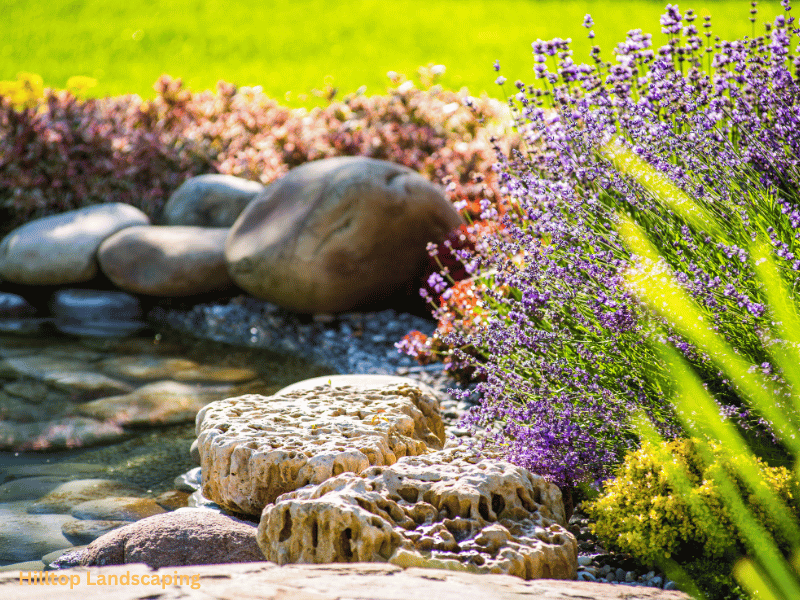
Natural stone works beautifully if you choose dense varieties and install them on a proper base with flexible joints (sand or polymeric sand, not mortar). The upfront cost is higher but the aesthetic is unmatched.
Poured concrete still makes sense for certain applications—driveways with proper expansion joints, foundations, structural elements where rigidity is actually required. It’s not that concrete is bad; it’s that it’s often used where a flexible system would perform better.
Consider your site specifically:
High clay content confirmed? Prioritize flexible systems and invest in base preparation. Skimping on gravel base here costs more later.
North-facing or shaded area? Moisture stays longer, increasing freeze-thaw exposure. Choose lowest-porosity materials.
South-facing, full sun? UV degradation is the bigger concern. Lighter colors and UV-stable materials matter more.
Budget constrained? Concrete pavers offer the best performance per dollar for Colorado conditions. Premium stone looks better but costs 2-3x more.

Need more help?
What Actually Determines Longevity
Material choice matters, but installation quality matters more. A premium flagstone patio on a 2-inch sand bed over clay soil will fail. A standard concrete paver patio on 6 inches of compacted gravel will last decades.
Drainage design—making sure water moves away from structures rather than pooling or saturating soil—prevents most hardscape failures. This is especially true for retaining walls, where trapped water creates enormous pressure.
Joint material affects both flexibility and maintenance. Polymeric sand locks pavers together while still allowing micro-movement. It also prevents weeds and ant hills. Regular sand works but needs periodic replenishment.
Hilltop Landscaping works with homeowners across Brighton, Thornton, Commerce City, and the Denver metro area to select materials that fit both site conditions and budget. We evaluate soil type, drainage, and sun exposure before recommending specific products. Schedule a consultation to discuss your project.
Connect directly with our landscape design experts at (720) 380-0087
Request a consultation at hilltoplandscapesco@gmail.com for your dream outdoor space.
Message us through our website for immediate responses during business hours.