Hilltop Landscaping
Landscaping vs. Hardscaping: What Brighton Homeowners Need to Know
Brighton homeowners planning outdoor improvements face a fundamental question: should you invest in living landscapes or permanent hardscape structures? The answer shapes everything from maintenance requirements to long-term property value, particularly in Colorado’s demanding climate. Understanding the distinction between these two approaches—and more importantly, how they work together—determines whether your outdoor investment thrives or becomes a source of frustration. Both elements serve essential roles in creating functional, attractive yards, but their contributions differ dramatically in terms of durability, upkeep demands, and suitability for Brighton’s freeze-thaw cycles and water restrictions.
Get A Free Estimate
Understanding Hardscaping and Landscaping Elements
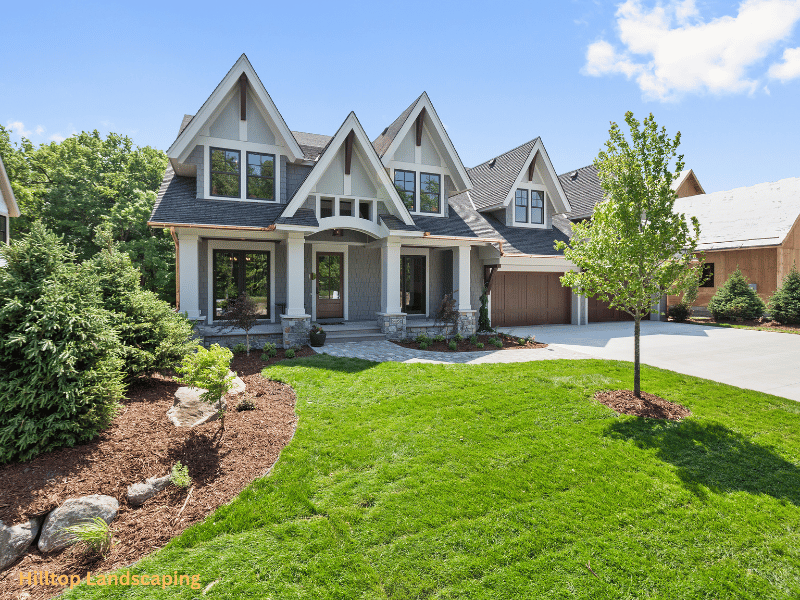
Hardscaping encompasses all non-living structural elements in your outdoor space. Patios, retaining walls, walkways, fire pits, and outdoor kitchens fall into this category. These features use materials like pavers, natural stone, concrete, and wood to create permanent functional areas. Hardscaping defines spaces, provides entertainment areas, controls erosion, and extends your home’s usable square footage into the yard.
Landscaping—sometimes called softscaping—consists of the living components: grass, trees, shrubs, flowers, and ground cover. These organic elements provide color, seasonal interest, shade, and environmental benefits like carbon absorption and wildlife habitat. Landscaping softens hardscape edges, creates privacy through strategic plantings, and changes throughout the year as plants grow and bloom.
The key distinction isn’t just living versus non-living. These elements serve different purposes and come with vastly different maintenance requirements, particularly in Brighton’s climate where freeze-thaw cycles and water availability create specific challenges for both approaches.
Quick Comparison for Brighton Properties
Aspect | Hardscaping | Landscaping |
Materials | Pavers, stone, concrete, wood, brick | Plants, trees, shrubs, grass, flowers |
Maintenance | Minimal—occasional cleaning, resealing | Regular—watering, mowing, pruning, seasonal care |
Durability | Decades with proper installation | Varies—trees decades, annuals one season |
Upfront Cost | Higher initial investment | Lower initial cost, higher ongoing costs |
Colorado Climate | Excellent for freeze-thaw resistance when installed correctly | Requires drought-tolerant species, winter protection |
Best For | Entertaining areas, erosion control, low-maintenance spaces | Shade, privacy, softening hard edges, biodiversity |
In Brighton’s specific conditions, this comparison shifts somewhat. The Front Range’s intense freeze-thaw cycles favor hardscaping materials rated for these conditions, while ongoing drought concerns make water-intensive lawns increasingly expensive to maintain. However, strategic landscaping using native and drought-tolerant species provides cooling effects and visual interest that hardscaping alone cannot achieve.
How Colorado Climate Influences Your Choice
Freeze-thaw cycles occur 40-60 times annually along the Front Range. Materials rated for these conditions last 20-30 years. Inferior products crack within 2-3 seasons.
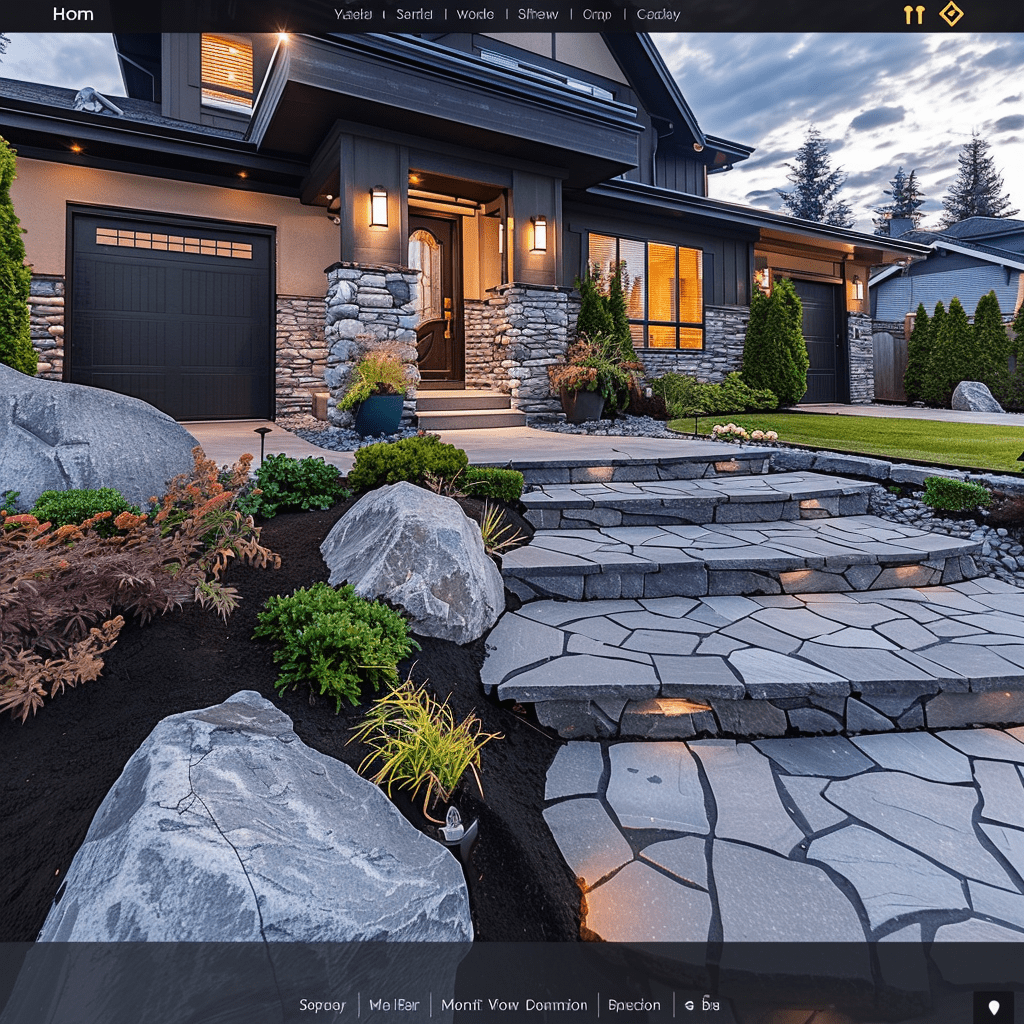
Water restrictions throughout the Denver metro make high-maintenance lawns increasingly expensive. This shifts the balance toward hardscaping for functional areas while reserving landscaping for drought-tolerant species like blue grama grass, Apache plume, or rabbitbrush.
After working throughout Brighton for 15+ years, we’ve seen projects combining hardscape foundations with strategic drought-tolerant plantings consistently outperform single-approach designs.
Spring and fall offer optimal conditions for hardscape installation. Fall planting lets landscape elements establish roots before winter stress.
When to Prioritize Hardscaping vs. Landscaping
Certain situations clearly favor one approach over the other.
Prioritize hardscaping when you need:
- Entertainment spaces for outdoor dining and gatherings
- Solutions for sloped yards requiring erosion control
- Low-maintenance areas that won’t demand weekend time
- Year-round functionality regardless of season
- Increased usable square footage from your property
- Features that withstand heavy foot traffic
Prioritize landscaping when you want:
- Natural shade that reduces cooling costs
- Privacy screening from neighbors or streets
- Seasonal color and visual interest that changes
- Wildlife habitat and pollinator support
- Sound buffering from traffic or nearby properties
- Softening of existing hardscape elements
Combine both approaches when:
- Creating cohesive outdoor living areas that balance function with beauty
- Addressing multiple needs like entertaining plus privacy
- Maximizing property value through well-rounded appeal
- Working within budget constraints by phasing improvements
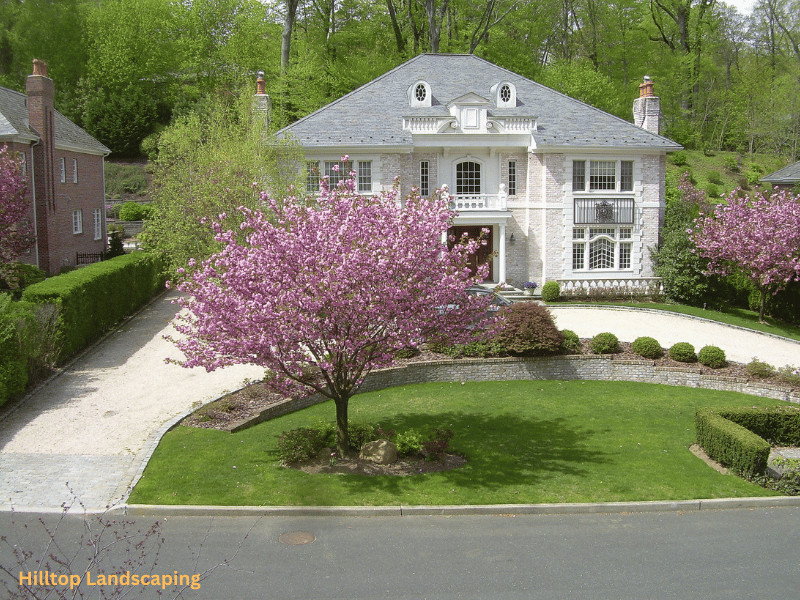
Most successful Brighton yards incorporate both elements strategically. A paver patio provides the entertaining foundation while perimeter plantings offer privacy and soften edges. Retaining walls control slope issues while planted terraces add color. The ratio depends on your specific priorities, available maintenance time, and how you’ll actually use the space.
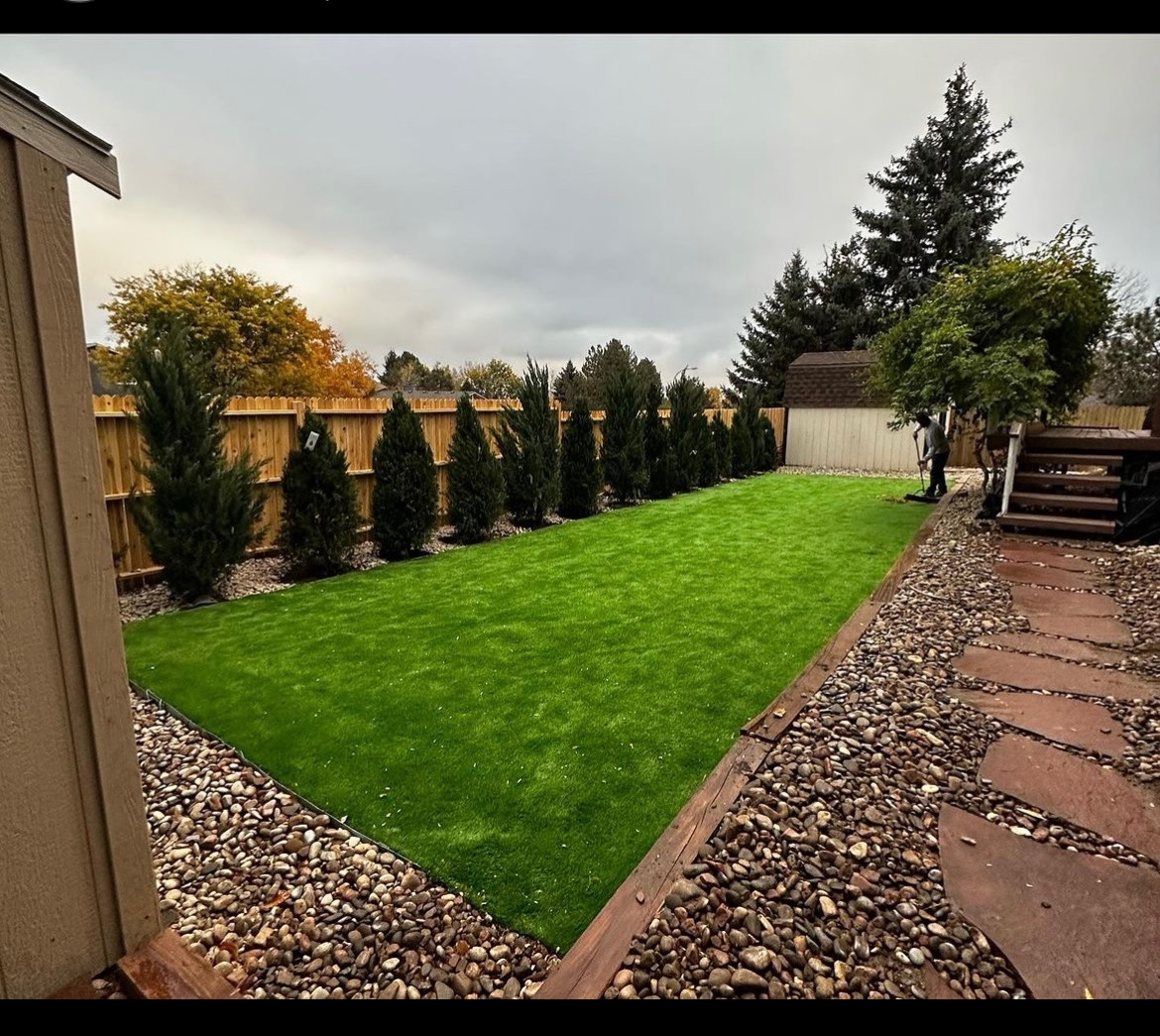
Creating Balance in Brighton Outdoor Spaces
Install hardscape first, then landscape. This sequencing prevents equipment damage to plants and ensures proper drainage before plantings go in.
Plan spacing for mature sizes, not nursery dimensions. Trees planted too close to structures create problems as roots expand.
Match the design to actual use. Families with young children need lawn space for play. Frequent entertainers benefit from larger patio areas. Contemporary homes pair well with geometric pavers and ornamental grasses, while traditional architecture suits natural stone and cottage garden plantings.
Address drainage during hardscape installation. Impervious surfaces concentrate runoff. Strategic landscaping in swales or rain gardens captures and filters water naturally.

Need more help?
Expert Design for Brighton's Climate
Professional outdoor design services account for all these factors while creating spaces tailored to Brighton’s specific conditions. The most successful projects balance immediate usability with long-term maintenance realities, using materials and plants proven to thrive here rather than fighting against our climate.
Whether you’re starting from scratch or renovating existing outdoor areas, the right combination of hardscaping and landscaping transforms your property into space you’ll actually use. Schedule your free consultation to discuss which approach makes sense for your specific property, budget, and goals. We’ll assess your site’s unique characteristics and recommend solutions based on years of experience with Brighton’s soil conditions, climate challenges, and what actually works in our local market.
Connect directly with our landscape design experts at (720) 380-0087
Request a consultation at hilltoplandscapesco@gmail.com for your dream outdoor space.
Message us through our website for immediate responses during business hours.