
Retaining Wall vs Regrading: How to Know Which One Your Brighton Yard Needs
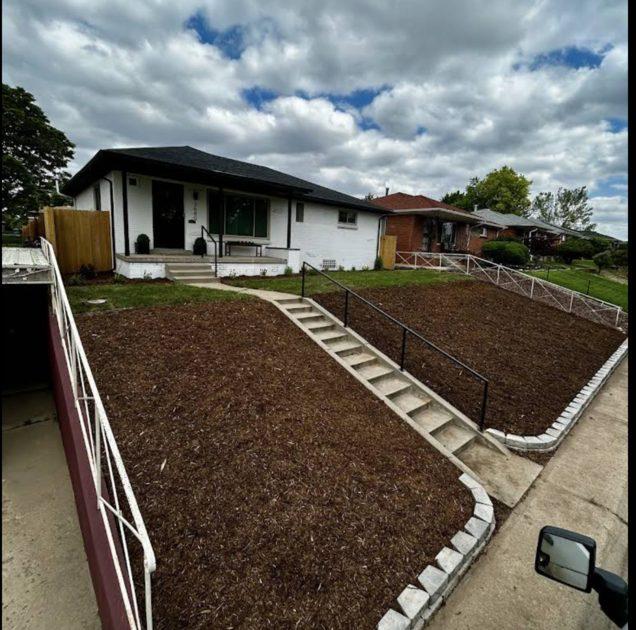
Regrading works when the slope is gentle and the problem is surface water with a clear outlet. A retaining wall works when the slope is steep, when clay soil is moving laterally, or when the goal includes flat usable space. There are yards in Brighton that need both.
Front Range clay soil changes the math on borderline cases. Slopes that would stay stable with regard to sandy soil keep moving in Brighton’s clay. Some yards that look like regrading candidates are actually wall projects once the soil is evaluated.
The two solutions compared:
Regrading | Retaining Wall | |
Best for | Gentle slopes, surface drainage | Steep slopes, lateral soil containment |
Creates flat usable space | No | Yes |
Stops lateral soil pressure | No | Yes |
Permit typically needed | Rarely | Yes, for walls over 4 ft |
Brighton clay risk | Grade can shift back in one season | Structural hold regardless of soil type |
Regrading Works When Your Slope Is Gentle and the Problem Is Surface Water
Regrading reestablishes grade so water flows away from structures and toward a drainage outlet. It works when the slope is gentle, the water has somewhere to go and the soil is not actively moving.
Four signs that regrading alone may be enough:
✓ | Water pools after rain but drains within a day or two |
✓ | No visible soil movement or erosion channels in the yard |
✓ | No erosion channels cut into the yard surface |
✓ | The yard does not need to gain flat usable space |
One honest note: if the problem comes back after regrading, the yard needs a wall. Regrading does not hold moving soil. When the slope returns within one to two seasons, the fix was temporary.
A Retaining Wall Works When the Slope Is Steep or You Need Flat Space
Two situations point clearly to a wall. The first is structural: the yard has an elevation change where soil is moving without containment. Regrading redistributes the grade but does not stop lateral pressure. The wall does.
The second is functional: the goal is flat usable space. A retaining wall creates that space by holding the higher grade in place. Regrading alone cannot create a level zone on a significant slope. It only redirects how water moves across it.
When either condition is present, active soil movement or the need for a flat area, a wall is the right answer. When both are present, it is not a borderline question. For walls over 4 feet or walls near structures, permit requirements for retaining walls apply before work starts.
Some Yards Need Both
A yard with a pronounced elevation change and a drainage problem at the lower level often needs a wall at the high point and regrading below it. The two solutions work together, not against each other.
The sequence matters: wall first, then regrading. The wall contains the upper soil, the drainage system behind it handles what comes through, and the regrading organizes flow at the lower level away from the foundation. Brighton yards where the neighbor’s property sits significantly higher than the subject property, or where the yard drops toward the house, often follow this pattern.
When your yard needs both — sequence matters: • Wall first — contains and holds the upper soil • Drainage system behind the wall handles all water flow • Regrading below organizes surface flow away from the foundation |
Brighton’s Clay Soil Pushes Borderline Yards Toward a Wall
Front Range soils have high clay content. Clay expands when wet and contracts when dry. That cycle exerts lateral pressure against anything in its path, including a slope you just regraded. In sandy or loamy soil, a gentle regrading holds for years. In clay soil, the same grade can shift back in one freeze-thaw season.
Brighton averages over 150 freeze-thaw cycles per year. Each cycle is one more expansion-contraction pass on the clay. A borderline slope that might stay stable elsewhere becomes a recurring maintenance project here if the underlying soil movement is not addressed structurally.
This does not mean every yard in Brighton needs a wall. It means the soil evaluation at the site determines which category the yard falls into. Visual assessment from the street is not enough to make that call.
An On-Site Assessment Tells You Which Solution Your Yard Needs
The on-site visit covers what a photo or phone call cannot: actual slope measurement, soil drainage test, location of available outlets, and whether soil is actively moving or holding. The outcome is a written recommendation for the right solution.
When the answer is regrading only, that is what the recommendation says. When the yard clearly needs a wall, the assessment starts the professional retaining wall installation in Brighton conversation. Call (720) 380-0087 or email hilltoplandscapesco@gmail.com to schedule the free visit.